Biohazard Cleanup
Contaminated materials removed, surfaces disinfected, odor treated and waste hauled away from your property.
Learn more →Missouri · Jefferson County
Where do you turn after a traumatic event at a home or business in Cedar Hill, MO? Get biohazard cleanup services around the clock, including homicide cleanup, vehicle cleaning, needle pickup and biohazard waste removal. Call (877) 812-4220.
If anyone is in danger, call 911 first. For a suicide crisis, call or text 988.
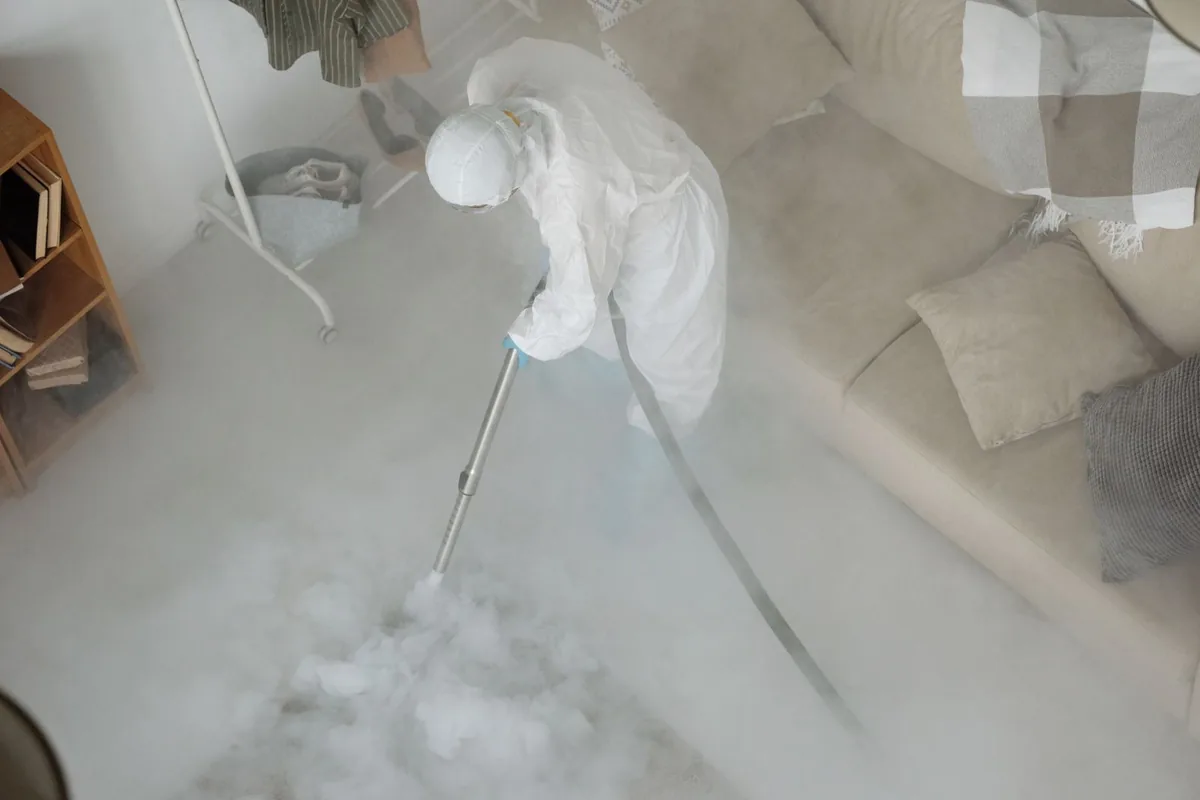
Bio cleanup covers more than crime scenes. It includes unattended deaths, suicides, accidents, hoarder houses, sewage backups and disease outbreaks. Whatever the cause, you can call Cedar Hill Biohazard Cleanup Help in Cedar Hill for houses, apartments, offices and vehicles.
Property owners, family members, landlords, property managers and insurance adjusters can all get help from Cedar Hill Biohazard Cleanup Help. The cleanup is documented with photos and notes, and coverage reaches Cedar Hill, Hillsboro and nearby towns across Jefferson County.
About 61% of homes in Cedar Hill were built before 1980, and older carpet, subfloor and wood trim absorb fluids deeply. About 18% of homes in Jefferson County are rented, so many cleanups involve owners working directly with their own homeowners insurance company.
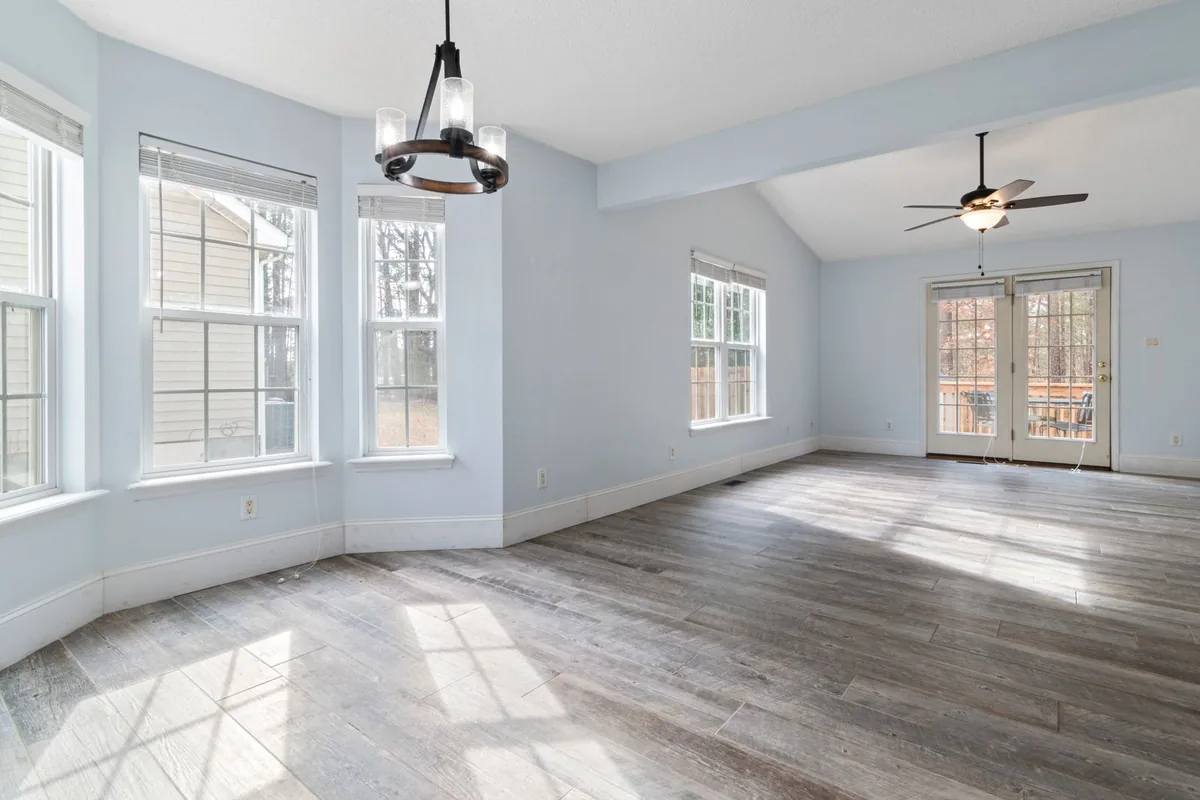
Professional biohazard cleanup, remediation and decontamination services follow the OSHA Bloodborne Pathogens Standard (29 CFR 1910.1030). Technicians wear personal protective equipment (PPE), including respirators, gloves and disposable suits, and treat all blood and bodily fluids as potentially infectious materials that can carry hepatitis B, hepatitis C and HIV.
Sealing, cleaning, disinfecting and ventilating work together. Plastic barriers and HEPA air scrubbers hold contaminants in place, EPA-registered disinfectants do the germ kill, and hydroxyl or ozone treatment clears the odor that is left.
Get residential biohazard cleanup and commercial work in Cedar Hill, with a wide range of services, so one call can sort out a death, a spill, a backup or a hoarded property.
Contaminated materials removed, surfaces disinfected, odor treated and waste hauled away from your property.
Learn more →Crime scene cleaners handle contaminated carpet, drywall and debris, then check the work before handing the space back.
Learn more →Trauma cleaners remove blood, bodily fluids and odor after injuries, violent events and sudden emergencies.
Learn more →Removal of soaked materials, safe waste hauling and deodorizing after a delayed discovery.
Learn more →Compassionate cleaning after a loss, with keepsakes set aside and the room returned safe.
Learn more →Compassionate cleanup after a death by violence, so families do not face the aftermath alone.
Learn more →Blood spill clean up for homes, rentals and workplaces, with soaked materials removed and surfaces sanitized.
Learn more →Commercial feces cleanup and body fluid cleaning for restrooms, shops, schools and care sites.
Learn more →Waste cleanup after neglect, illness or a long absence, handled privately and without judgment.
Learn more →Odor control for landlords, buyers and families whose property still smells after a loss.
Learn more →Hoarding cleanup done at the resident's pace, with valuables and papers kept safe.
Learn more →Hoarder house cleanout that clears every room and leaves the property ready for its next step.
Learn more →Crews clear waste, ruined materials and pests, then disinfect and deodorize each room.
Learn more →Hoarding and filth cleaning that restores a home for living, repairs or a new tenant.
Learn more →Sewage restoration that clears contamination and odor so repairs can safely begin.
Learn more →Biohazard decontamination after outbreaks, with protective gear, set order of work and sealed disposal of waste.
Learn more →Cleaning first, disinfecting second: a careful process that targets the germs, not only the stain.
Learn more →Medical waste left behind after illness, a move or a cleanup, removed with protective gear.
Learn more →Sharps cleanup with protective gear, puncture-resistant containers and proper medical waste disposal.
Learn more →Safe removal of sharps and drug use items, with disinfection and odor treatment afterward.
Learn more →Clear steps for owners who suspect meth contamination, from first sample to final report.
Learn more →Fentanyl decontamination: powder and residue contained, collected and cleaned from homes, vehicles and workplaces.
Learn more →Toxic waste cleanup that identifies the substance, cleans affected surfaces and follows disposal rules.
Learn more →Hazmat cleaning for pavement, soil, buildings and equipment, with protective gear and lawful waste disposal.
Learn more →Tear gas cleanup for homes, shops and vehicles, with testing, containment and a final check.
Learn more →Droppings cleanup in kitchens, garages, ductwork and storage rooms with protective gear and sealed disposal.
Learn more →Pigeon and bird droppings cleanup on ledges, balconies, warehouses and storefronts.
Learn more →Dead animal removal from walls, attics, crawl spaces and vents, with disinfection and odor treatment.
Learn more →Vehicle biohazard cleanup for cars, trucks, vans and buses, with soaked upholstery removed and odor treated.
Learn more →Discreet blood cleanup after an accident, so the space can reopen safely.
Learn more →Biohazard cleaning for commercial and industrial sites, from restrooms and break rooms to warehouse floors.
Learn more →House cleanout and hauling for estates, landlords and out-of-town families after a loss.
Learn more →The crew comes in an unmarked vehicle and meets whoever has the key or access. Privacy is part of the job from the first minute.
A technician walks the space, notes where fluids reached and lists what can be cleaned and what must be removed. The plan and cost range are explained before work begins.
Soaked materials are removed, then floors, walls, furniture and fixtures are cleaned and treated with hospital-grade disinfectant.
Odor is neutralized, biohazardous waste leaves under medical waste rules, and a final inspection confirms the property is safe to use again.
Local help in Cedar Hill, Hillsboro and nearby towns means crews know the area, local police and the way homes in the region are built.
A cleanup specialist explains the steps, the likely cost range and what the property owner needs to do next, in everyday words.
Blood, decomposition, sewage, sharps, hoarding, drug residue and infectious disease all fall under one call, with the right method for each.
Property managers get clear records, quick coordination on access and a cleaned unit ready for repairs and the next tenant.
Biohazard cleanup in Cedar Hill, MO typically costs $500 to $25,000, depending on the type of biohazard, the size of the affected area and how far fluids soaked into porous materials.
Most residential jobs cost $3,000 to $5,000 (Fixr). Insurance changes who pays but not how the work is done. Homeowners and renters policies often respond to sudden events such as a death, a crime or an accident, and you get the photos and notes an adjuster asks for.
| Type of job | Typical range |
|---|---|
| Blood spill cleanup, small area | $500 - $2,500 |
| Crime scene cleanup, most homes | $1,500 - $7,500 |
| Unattended death cleanup | $2,000 - $7,000 |
| Suicide cleanup | $1,500 - $5,500 |
| Sewage cleanup, most homes | $2,000 - $10,000 |
| Hoarding cleanup, level 3 home | $2,000 - $5,000 |
| Meth lab cleanup, typical | $15,000 - $20,000 |
Estimates only, not a quote. Sources: Fixr, Yelp Costs, BioCleaners Directory, PushLeads, Dropcurb, Bob Vila and cleanup company cost guides. Call (877) 812-4220 to talk through the job.
Failing septic systems and sewer backups push raw sewage, a Category 3 biohazard, into homes. Sewage cleanup removes contaminated materials and disinfects every surface.
About 61% of homes in Cedar Hill were built before 1980, and older carpet, subfloor and trim hold fluids deeper, which can mean more material to remove.
Hoarder homes can hide rotting food, animal waste, mold and pests, along with fire and structural hazards. Hoarding cleanup sorts belongings and restores a livable condition.
Offices, shops, churches and other public spaces may need cleanup after an injury, illness outbreak or break-in. The work is planned around staff, customers and reopening dates.
Jefferson County has a Relatively Moderate river flood risk rating from FEMA. Floodwater mixes with sewage, and anything it touches needs full biohazard cleaning, not just drying.
Homes, churches and businesses may need infectious disease disinfection, needle and sharps cleanup, or meth lab and fentanyl decontamination after a property is released.
Biohazards are biological materials that can spread disease and cause serious health risks. Cleanup technicians look at two things on every job: what kind of biohazard is present, and how far it has spread. Together they set the safety steps, the timeline and the cleanup cost.
Regular cleaning removes dirt. Biohazard cleanup removes infectious material and reaches under and behind surfaces, using PPE, containment, EPA-registered disinfectants and regulated waste disposal. It follows safety rules that ordinary cleaning does not.
It means discreet removal of blood, bodily fluids and affected materials, followed by full disinfection and odor treatment, so the family never has to face the scene. If you or someone you know is thinking about suicide, call or text 988 to reach the 988 Suicide and Crisis Lifeline.
Ask whether the crew follows OSHA bloodborne pathogen rules, uses EPA-registered disinfectants, disposes of waste lawfully and can document the work for insurance. Compare how biohazard cleanup companies explain scope, cost range and privacy, and be cautious about anyone who pressures you to sign on the spot.
Many jobs are priced by the scope of the work rather than as one simple hourly rate. The type of biohazard, the size of the area, the materials removed and waste disposal set the total. Ask the cleanup team how the cost is worked out.
Describe what happened, where it is, how big the area is and whether police have released the scene. Mention any insurance claim, pets, valuables or access issues. The more detail you share, the clearer the plan and cost range can be.
Yes, when the source is removed and treated. The crew takes out the contaminated materials, disinfects the surfaces, and uses HEPA air scrubbers and hydroxyl or ozone equipment to clear the air, rather than masking the smell.
They can. About 61% of homes in Cedar Hill were built before 1980, and older carpet, subfloor and trim absorb fluids deeply. The crew inspects each home to see how far the contamination went.
It can. Jefferson County has a Relatively Moderate river flood risk rating from FEMA. Wherever floodwater or a sewer backup enters a home, the water is treated as Category 3 and needs full cleaning and disinfection.
Hillsboro is the Jefferson County seat, and you can get help there along with Cedar Hill, LaBarque Creek and Byrnes Mill. Call Cedar Hill Biohazard Cleanup Help at (877) 812-4220 to ask about a property in any of these towns.
A cleanup specialist is ready to talk it through whenever you are.
Call (877) 812-4220